
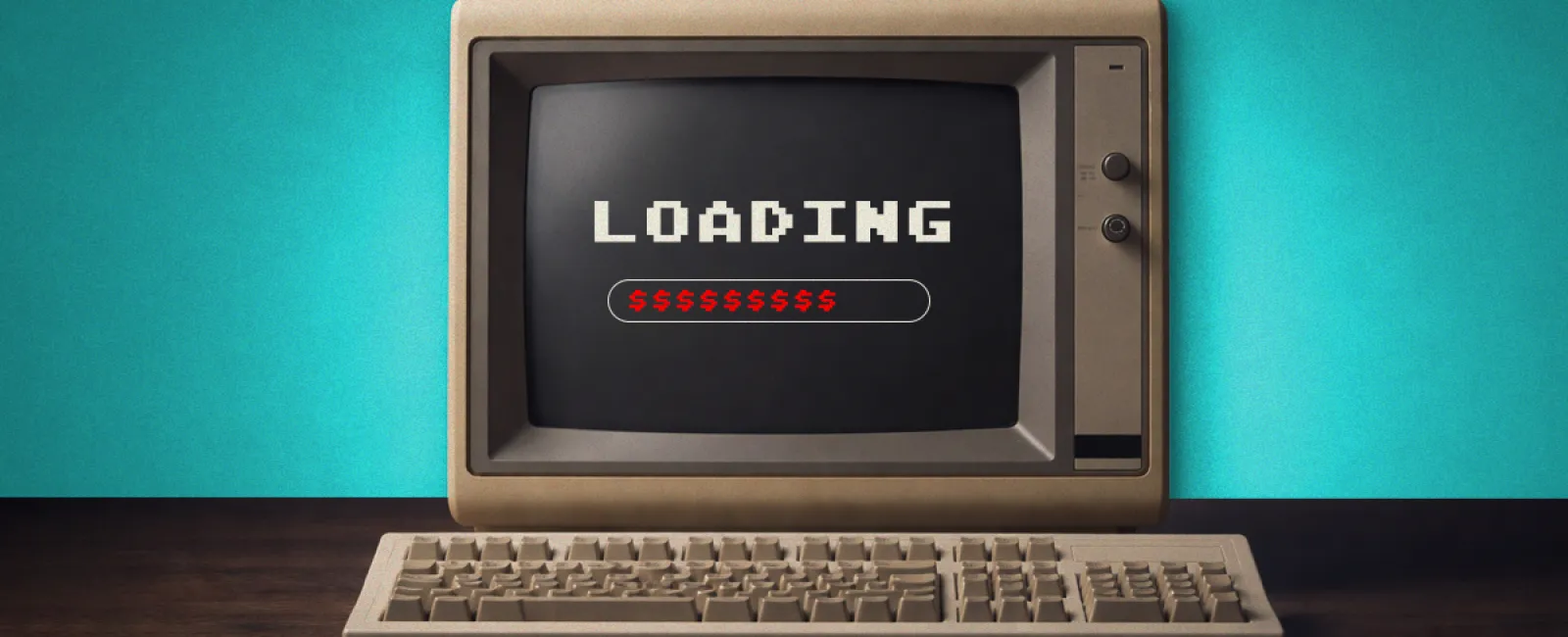
Outdated technology is a lot like a sock with a hole in it—it still works, but it keeps letting you down in small, annoying ways until the damage is impossible to ignore.
You see the signs every day: an email that should take seconds to send suddenly drags on, or a simple save locks up the screen as if the system has completely lost its place.
It is easy to brush off these moments and keep moving. The work continues, the tech stays in place, and the problems quietly follow you from one task to the next.
What feels minor in the moment can become a major monthly expense when slowdowns, inefficiency, and downtime keep piling up.
When old technology starts draining your budget
Keeping older systems around can feel like the smart, cost-conscious decision. If it still turns on, why change it?
The catch is that aging equipment does not stay neutral. Over time, it creates costs that are easy to overlook but hard to avoid.
Utility bills often rise because old equipment has to work harder to do the same job. It draws more power, produces more heat, and puts added pressure on everything around it, especially in warmer months. Newer systems are designed for better efficiency, using less energy while delivering stronger performance, which can reduce operating costs over time.
Time is another hidden expense. Tasks that used to happen quickly begin to slow down. Programs lag, files open more slowly, and small delays become a normal part of the day. Work still gets done, but at a much slower pace, and those lost minutes add up fast.
Interruptions also become more common. Systems freeze, connections fail, and constant restarts turn into part of the workflow. Each issue may only take a few minutes, but every pause breaks concentration and slows progress.
When you look at the full picture—higher bills, wasted time, and frequent interruptions—it becomes much easier to see how expensive "good enough" really is.
What happens when the hidden costs stop
Once those recurring issues are addressed and outdated systems are replaced where it makes sense, the improvement is easy to notice.
- Systems power up when they should, without delays or repeat attempts
- Quick fixes and constant restarts stop interrupting the day
- Your team can stay productive instead of waiting on slow technology
- Energy usage drops as older equipment is replaced with efficient systems
- Costs tied to downtime and inefficiency begin to come down
The workday feels smoother, your team stays on task, and you are no longer paying to keep aging systems barely holding together.
Ready to move forward?
If your systems are slow, problems keep coming back, or your team has learned to work around the technology, you are already paying for the issue.
The real question is how long you want to keep absorbing those costs.
This problem will not solve itself. It continues to cost you through lost time, higher expenses, and repeated interruptions that never fully go away.
That is where we help.
As your IT partner, we do more than resolve problems—we help you stop spending too much on technology that is no longer pulling its weight.
- We pinpoint the systems costing you more than they should
- We help you decide what should be replaced now and what can wait
- We recommend practical, efficient upgrades—never unnecessary ones
- We manage the transition so your team stays productive
- We provide ongoing support to help keep the same problems from coming back
Instead of guessing or delaying the decision, you will have a clear plan and technology that supports your business.
Click here or give us a call at (321) 221-2991 to schedule your free Consult.
We will show you what has been costing you—and what is actually worth repairing or replacing now.
And if you know someone dealing with the same slow systems and constant headaches, pass this along. They may be paying for it too.


